
More than a familiar ingredient
Salt is a mineral used in a remarkable variety of settings. Its characteristics, including grain size, purity and moisture content, influence its suitability for different applications. Not every salt is appropriate for every purpose.
Commercial customers may be interested in salt for repackaging, bath products or other manufacturing processes. The intended use must always be matched to the appropriate grade and verified specifications. We do not currently make claims about food-grade suitability or therapeutic benefits.
From material to product
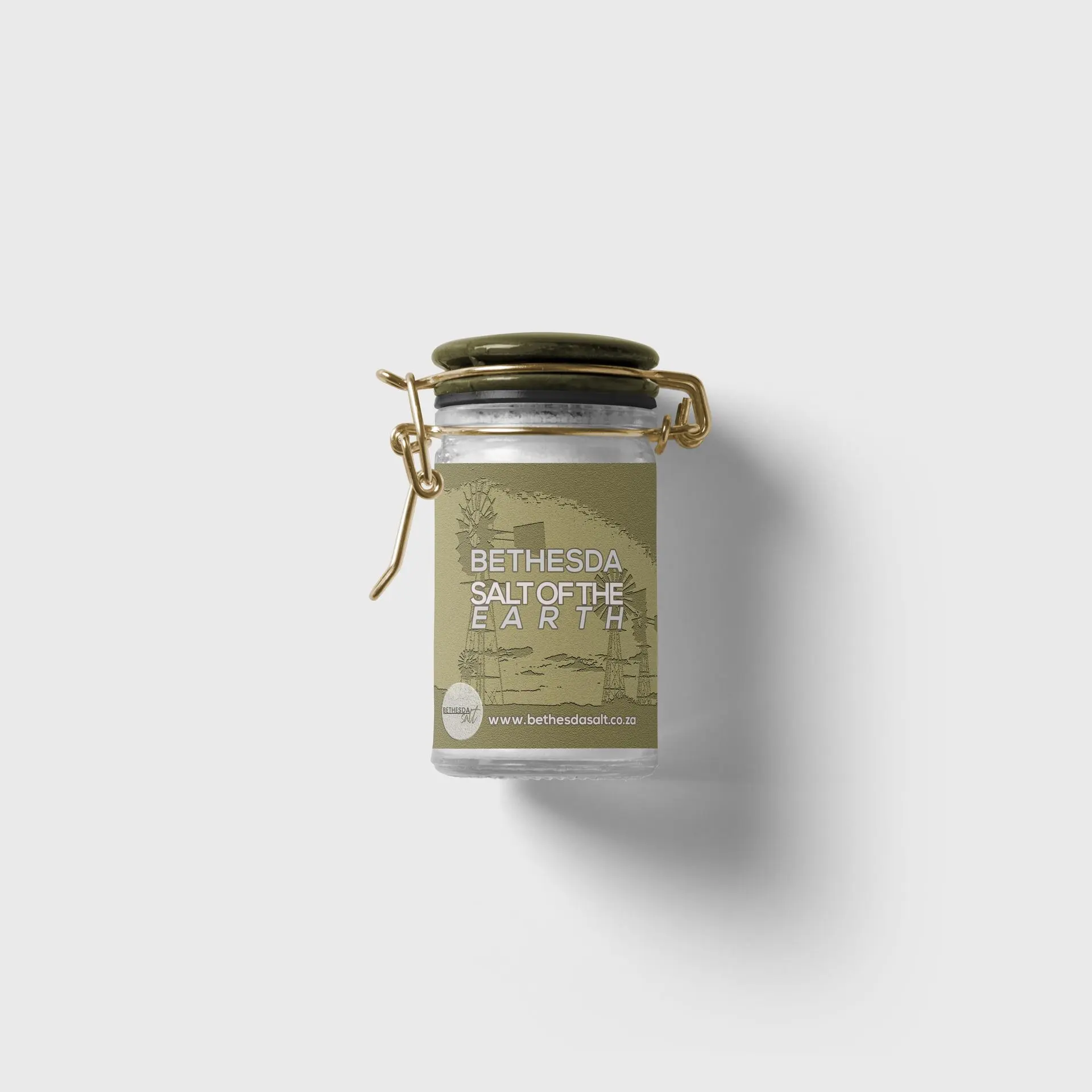
Independent businesses can create value through product design, packaging and distribution. We welcome conversations about the quantities and specifications needed for your own product ideas, subject to confirmed suitability and availability.
Discuss your requirementsWhat exactly is salt?
Sodium chloride consists of positively charged sodium ions and negatively charged chloride ions arranged in a repeating crystal structure. As water evaporates from a saline solution, crystals can form when the solution becomes sufficiently concentrated.
The appearance of a salt sample can reflect crystal size, moisture and other substances present. Colour alone cannot establish purity or suitability for food or cosmetic use.
Why crystal size matters
Fine crystals generally dissolve faster than larger crystals of the same mass because more surface is exposed to water. Coarse crystals may be preferred for visual texture or applications where rapid dissolution is not required.
For a manufacturer, consistent particle size can matter more than appearance. A change in grade may affect mixing, filling equipment and the finished product. Specifications should therefore be agreed before a bulk purchase.
Salt and preservation
Salt has long been used to preserve certain foods by reducing water activity. This does not mean that adding salt automatically makes food safe: concentration, temperature, acidity and processing conditions all matter.
Modern food manufacture requires appropriate ingredients and validated processes. Bethesda does not imply that any particular grade is approved for food use until its suitability has been established.
From raw material to finished product
Salt is used in many industries, including chemical processing, water treatment and certain personal care formulations. A bath salt manufacturer, for example, may need to consider crystal size, fragrance compatibility, packaging and moisture protection.
These are different markets with different technical requirements. A supplier and customer should agree on intended use, specifications and handling before committing to quantities.
Salt in Scripture
Leviticus 2:13 associates salt with the offerings and the covenant. In Matthew 5:13 Jesus uses salt as an image in His teaching to disciples; in Colossians 4:6 Paul uses it in relation to gracious speech.
These passages have distinct contexts. Reading them together can prompt reflection on faithfulness, Christian witness and the way we speak, without turning a physical product into a spiritual object.
Further reading: Leviticus 2:13 | Colossians 4:6